

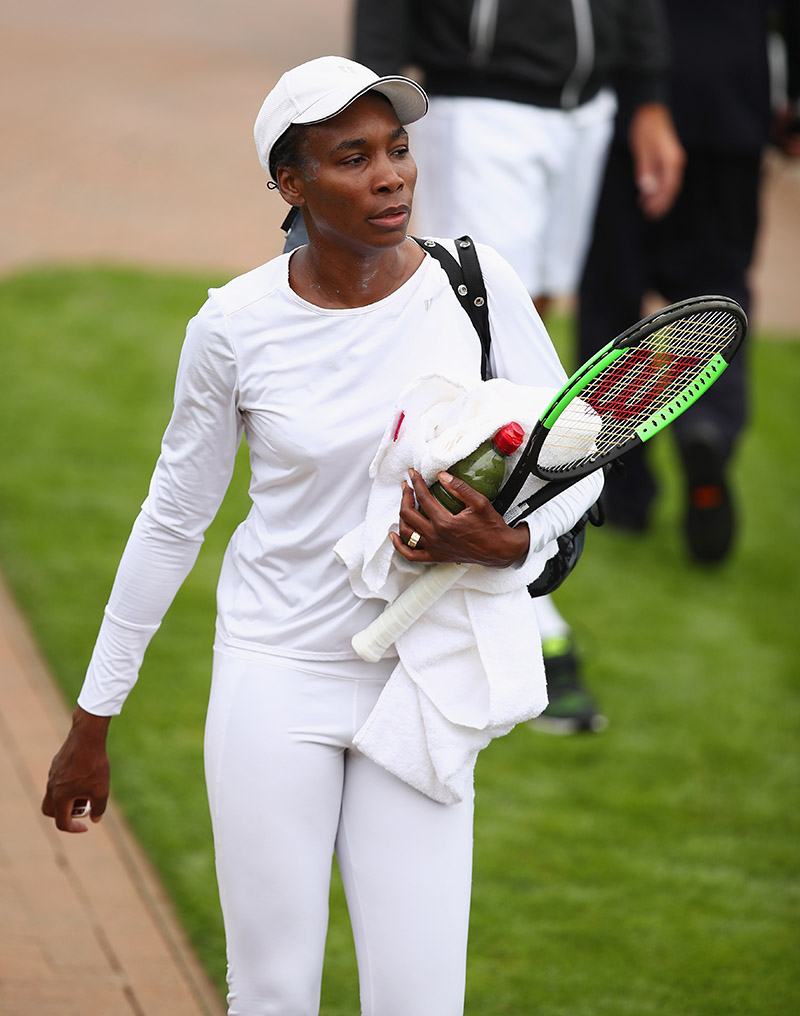
Tennis star Venus Williams revealed her battle with uterine fibroids and how doctors dismissed her symptoms for years.
Fibroids are growths inside and on the uterus that are comprised of fibrous tissue. Most fibroids are non-cancerous and cause symptoms such as pelvic pain, cramps, abnormal bleeding, nausea, frequent urination and urine urgency.
Many women who are diagnosed with fibroids don’t experience any symptoms at all.

In an interview with “Today,” Venus, 45, said she suffered debilitating pain that left her “laying on the floor in the locker room” before tennis matches and “hugging the toilet,” during her menstrual cycle.
“It just got too bad, and I couldn’t handle it,” she said. “I’m sharing now because I was outraged that I didn’t know this was possible. I didn’t know what was wrong with me. No one should have to go through this.”
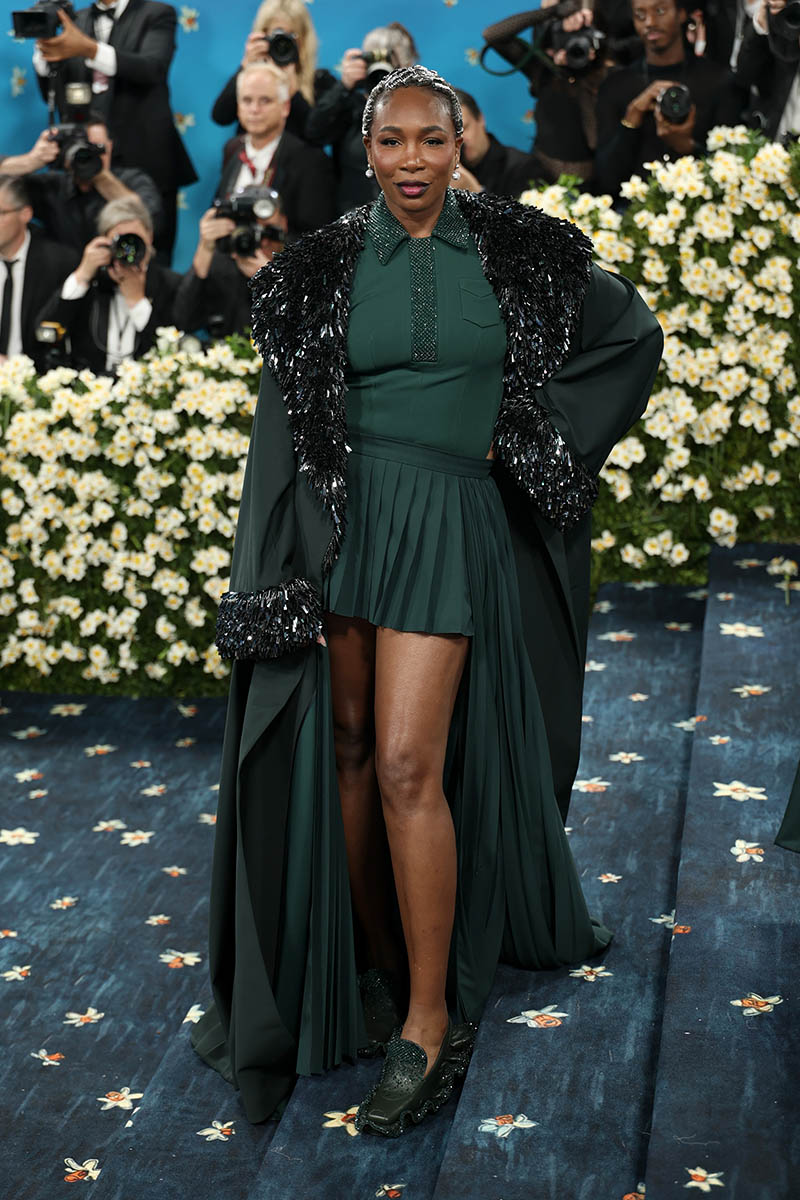
Venus said doctors dismissed her painful menstrual cycles.
“One doctor told me [when I was 37] … this is a part of aging. This is normal.”
She experienced anemia from her heavy periods that resulted in blood transfusions.
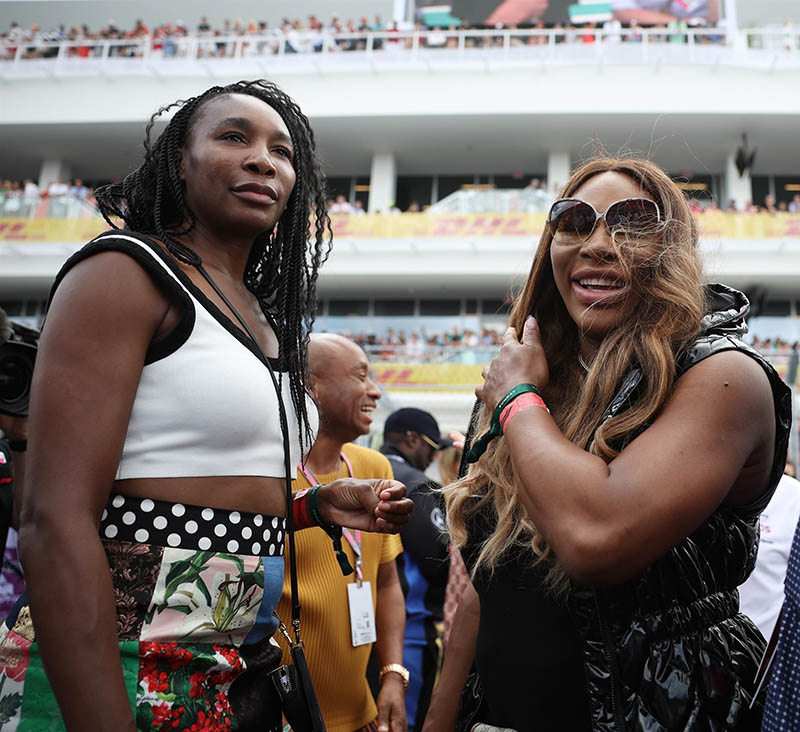
“I live with an autoimmune disease. So I thought maybe it was autoimmune anemia or something like that,” she said. “But really it was what I was dealing with inside, which was fibroids.”
One physician told her to get a hysterectomy to remove her uterus and the fibroids. “I’ve never been so sad in my life,” Venus explained. She said she always wanted to have a choice to have children, “and to have that taken away is just frightening.”
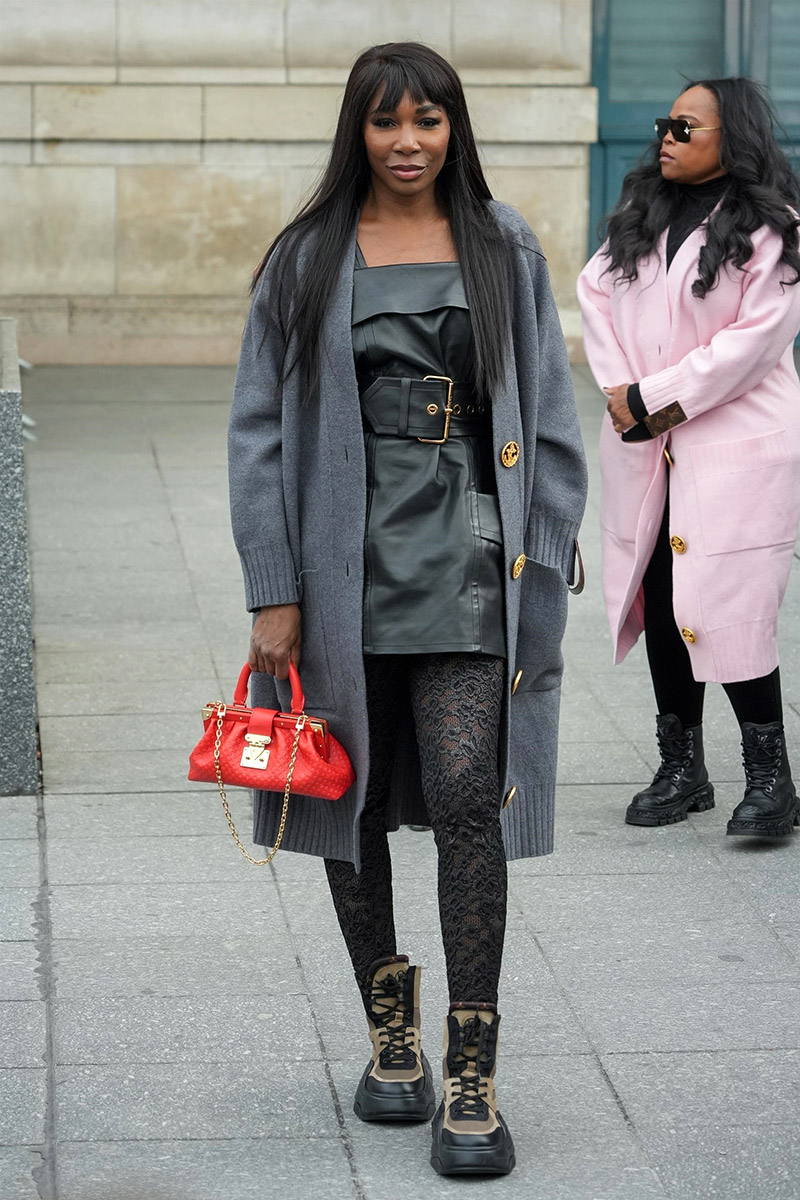
Venus was finally diagnosed with fibroids at NYU Langone Health Center for Fibroid Care led by Dr. Taraneh Shirazian.
“Women do not get the care that they need for fibroid disease. To me, that’s the part that we should all be thinking about. World-class athlete, superstar. Has access to every doctor, every facility, every option,” said Dr. Shirazian.
“I’ve been taking this time to rest and recover and live my life and be, you know, a happy person without fibroids,” she said. “Hopefully someone will see this interview and say, ‘I can get help. I don’t have to live this way.'”