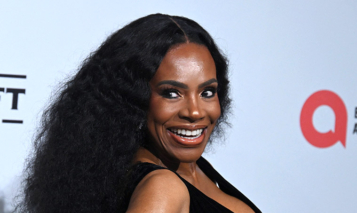


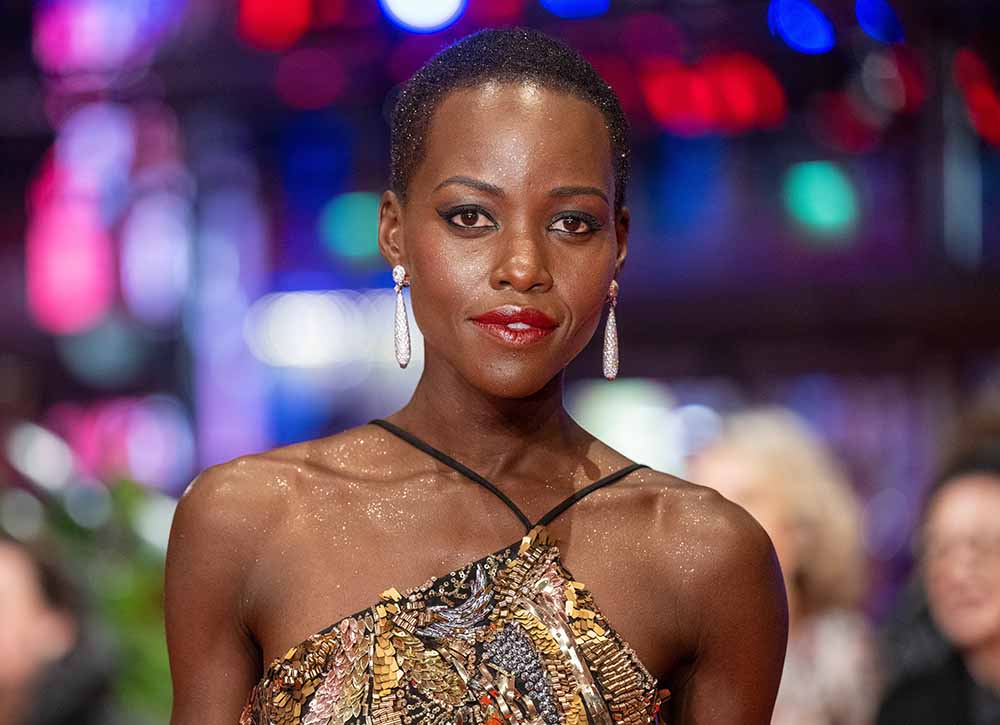
Actress Lupita Nyong’o says she has over 50 uterine fibroids. The 42-year-old Kenyan-Mexican star was first diagnosed with fibroids 11 years ago. She had surgery to remove them but they returned.
Fibroids are non-cancerous tumors that develop from the muscle in the uterus. High estrogen levels influence the size and number of fibroids.
Lupita revealed her fibroids diagnosis on the “Today” show: “The first time I got the fibroids taken out, they took out 23. And this time, I’ve been informed two years ago that I have over 50. And I’m being faced with the same options: surgery or live with the pain.”
The Oscar-winning actress says she’s “not ready” to have the fibroids surgically removed again because she plans to have children and the procedure is “quite invasive.”
“It’s a big threat to our reproductive organs.”
She continued: “When you have fibroids, doctors usually use fruit to explain to you what size your fibroids are. So your fibroid could be the size of a grape. My biggest fibroid is the size of an orange.”
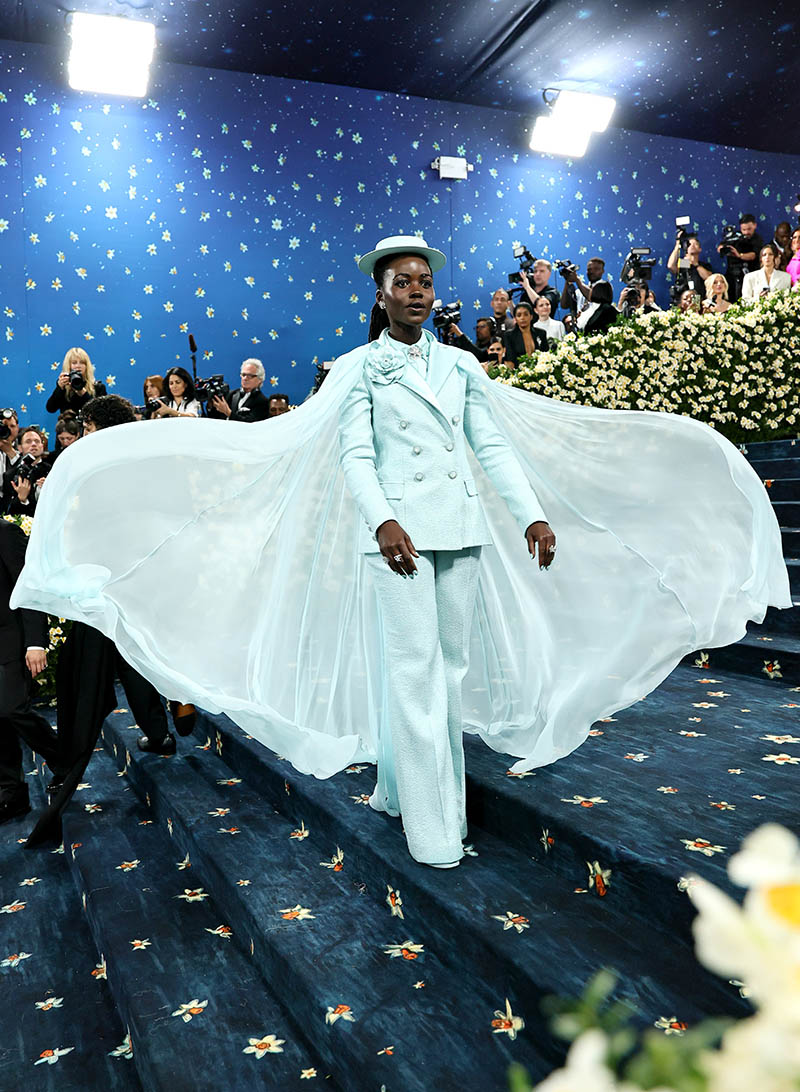
The “12 Years a Slave” actress explained, “I felt shame. What did I do to cause them? And I felt very alone and quite scared for my reproductive health. I’m excited right now because speaking up has really empowered me. I’ve found community. I’ve locked arms with women who have been fighting this fight for a long time.”
Signs and symptoms of uterine fibroids
Signs and symptoms of uterine fibroids include heavy menstrual bleeding, pelvic pressure or pain, frequent urination or trouble urinating, distended abdomen, constipation, lower back pain, and pain during sex.
However, some women with fibroids don’t have any signs or symptoms at all.
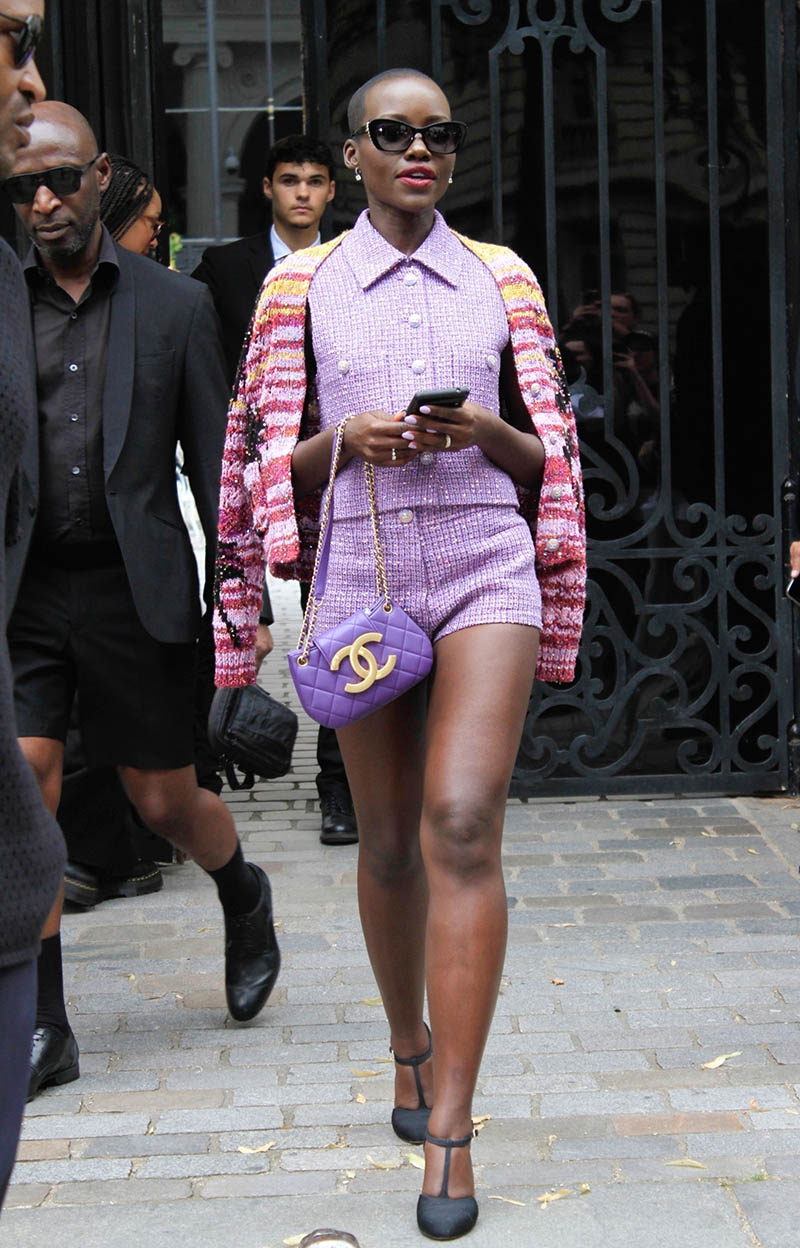
In 2020, Lupita spoke up about her encounter with disgraced Hollywood producer Harvey Weinstein, who is currently an inmate at Rikers Island.
Weinstein has been accused of sexually assaulting dozens of Hollywood actresses who sought parts in his movies.
“There’s a lot of power in speaking up,” she said.
Lupita says she is approached by women who share their “Me too” stories with her.
“I spoke up and the amount of support I got hearing women say ‘me too’ and share their stories made me feel less alone and it’s honestly what has bolstered me to do the work that I do now.”