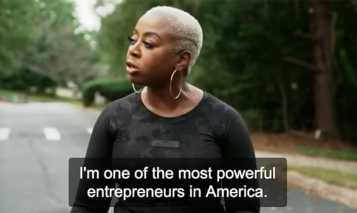


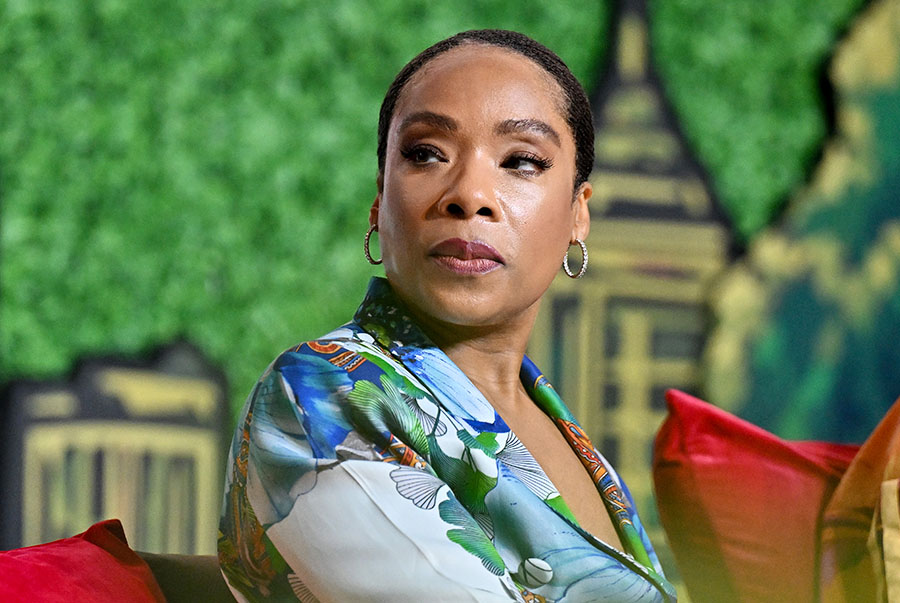
A Tennessee judge dismissed Fawn Weaver’s Chapter 11 bankruptcy filing.
On March 17, Uncle Nearest CEO Fawn Weaver announced she filed for Chapter 11 bankruptcy to protect Uncle Nearest whiskey distillery from creditors.
But a judge dismissed her bankruptcy filing this week because Uncle Nearest is in a court-appointed receivership.
Tennessee attorney Phillip G. Young Jr. was named as the court-appointed receiver for Uncle Nearest in August 2025.
Young filed a motion to dismiss Weaver’s bankruptcy because she isn’t authorized to file on behalf of Uncle Nearest.
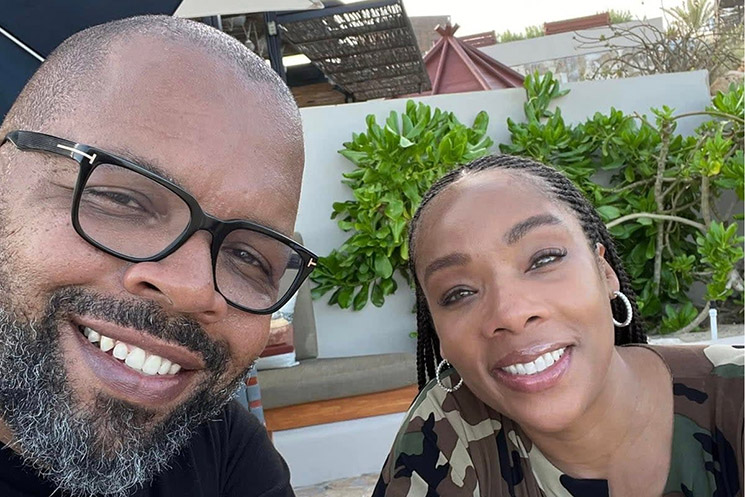
A judge placed Uncle Nearest in receivership in 2025 after Fawn and her husband, Keith, defaulted on $108 million in loans.
In a video on her Instagram account on March 17, Fawn Weaver announced the end of the court-appointed receivership over Uncle Nearest.
“The receivership of Uncle Nearest is done,” Weaver said. “If you’ve been reading the headlines lately, you probably thought that wasn’t possible, but rest assured it always was, and it is. I’m so grateful to God for our leadership team who kept their heads down and kept working.”
The court-appointed receiver attempted to sell the Weavers’ property in Martha’s Vineyard, but a federal judge stopped the sale until appraisals, notice, and a hearing are completed, the Moore County Observer reports.
Fawn Weaver filed a lawsuit against Farm Credit Mid-America, a Kentucky-based bank that loaned her $108 million.
She accused the lender of running a “smear campaign” against her and making false accusations that impacts her credibility.
“More than 10 attorneys across New York, Atlanta, and New Orleans have spent the last seven months reviewing this evidence together, and to say that they are ready to litigate this case is an understatement,” Weaver said in the video.
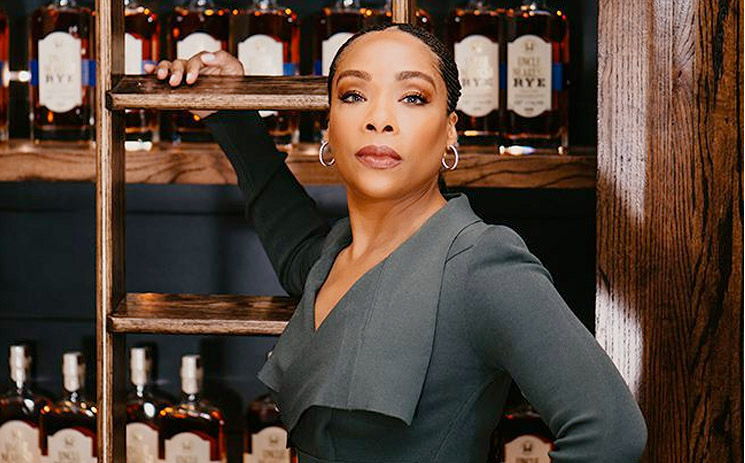
The bank said the Weavers didn’t file tax returns for Uncle Nearest in 5 years. The bank also uncovered a $20 million loan to the Weavers from rapper Jay-Z’s MarcyPen venture capital fund.
Farm Credit Mid-America accused the Weavers of trying to hide the $20 million loan from Jay-Z.