


Actress Skai Jackson opened up about losing her hair after giving birth to her first child.
In January, Skai, 23, and her ex-boyfriend Deondre Burgin welcomed a son.
In a new video, Skai said she noticed her hair shedding and lots of hair in her brush.
“I’m getting nervous because I’m brushing my hair and it seems like a lot of strands are coming out,” she said.
It’s normal to lose about 50-100 strands of hair in a 24-hour period. “To me that seems like a lot,” she said.
Skai asked her followers how long the effects of postpartum hair shedding last.
Postpartum hair loss is usually caused by a drop in the levels of pregnancy hormones after giving birth. When a women is pregnant, female hormones – estrogen and progesterone – are elevated to protect the uterus lining.
Human chorionic gonadotropin (hCG) spikes first in a pregnant woman’s bloodstream. HCG is produced by cells that eventually form the placenta. Doctors look for this hormone to confirm pregnancy in tests.
Next, estrogen and progesterone levels increase to protect the lining of the uterus and to prevent a miscarriage. Progesterone has the added benefit of growing hair long and thick. Abnormally low progesterone levels have been linked to hair thinning, shedding, and alopecia (bald spots).
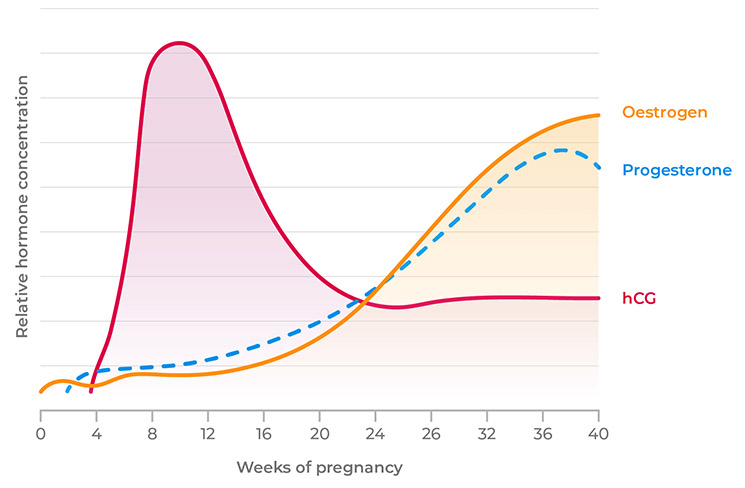
When a woman gives birth, estrogen and progesterone levels plummet back to normal levels. New moms may experience hair thinning, female pattern hair loss, and shedding when their progesterone level drops.
Complaints of postpartum hair loss or balding are not unusual. Progesterone and estrogen therapy can help some women hold on to their hair. But progesterone and hormone therapy come with unwanted side effects, such as headaches, nausea, dizziness, weight gain, breast tenderness, mood swings, and feeling tired (fatigue) all the time.
https://www.youtube.com/shorts/rVj7QmGFJko