

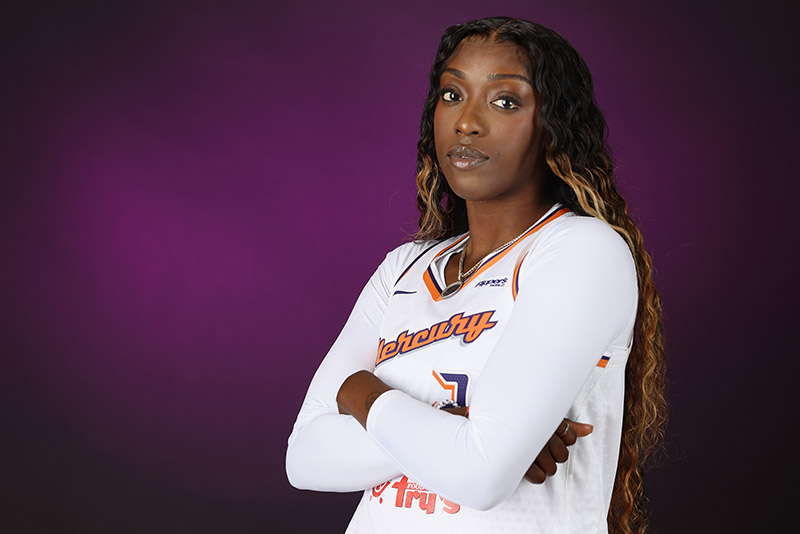
A humiliating hair pulling incident involving Phoenix Mercury star Kahleah Copper sparked debates about hair discrimination in the Black community.
Young Black girls in America are subjected to subliminal messaging that their natural 4C hair is not socially acceptable and should be hidden under long, flowing lacefront wigs or hair weave.
When Mystics player Jade Melbourne pulled Kahleah’s wig off late in the 3rd quarter of a WNBA game on Sunday, Kahleah picked her wig up off the floor, placed it on her head and ran off the court in embarrassment.
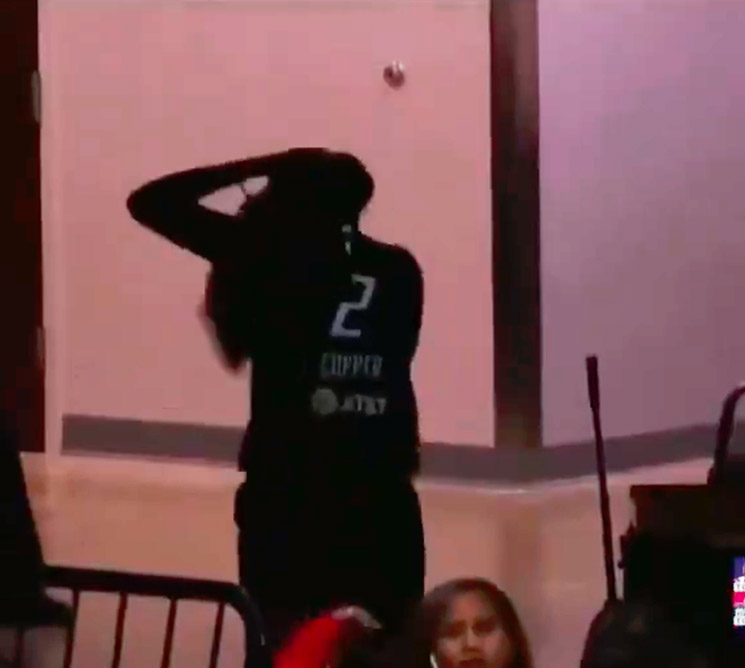
When Kahleah returned to the game midway through the 4th quarter, a heckler behind the bench laughed at her.
Mercury coaches and Kahleah’s fellow players asked security to eject the heckler from the arena. The officials delayed the game until the fan was escorted out (watch video).
The WNBA just PAUSED a game, because a players wig fell off..
Joke league. ?? pic.twitter.com/QbDFOjwAog
— American AF ?? (@iAnonPatriot) July 28, 2025
Washington Mystics vs Phoenix Mercury:
WNBA Star Kahleah Copper’s Wig Malfunction, Explained pic.twitter.com/sHuL4e0CMv
— nbashane (@nbashane_) July 28, 2025
According to research from Arizona State University, negative experiences related to black hair is normal for Black children as young as 10.
“Negative experiences related to hair are normative for young Black girls. Even girls as young as 10 years old reported negative experiences because of their hair,” said Marisol Perez, associate professor of psychology at ASU and senior author on the paper. “These experiences are a form of stereotyping that can occur among youth related to hair, however, there is very little existing literature documenting the hair-related experiences of Black youth. We are trying to make sure their voices are heard.”
The research included 105 girls aged 10–15 years old who identified as Black or African American.
When the girls were asked to define “good hair,” the most common answers included descriptions like “long,” “flowy,” “wavy,” “soft” and “straight.” While “bad hair” was described as “short,” “nappy” and “hard to comb through.”
Kahleah is a beautiful woman who would be even prettier wearing her own natural hair. But that’s not the messaging she received growing up in America.