




NASCAR driver Kyle Busch died on May 21 from severe pneumonia that quickly progressed to sepsis. Busch, 41, was sick with a sinus infection in the weeks leading up to his death.
Fox Sports reported Busch was fighting a sinus cold after winning the Truck Series race at Dover Motor Speedway.

The two-time NASCAR Cup Series champion called for a doctor at the end of a Cup race at Watkins Glen International on May 10. Busch told the doctor that he was feeling ill and his cough had worsened.
On May 20, he was in a racing simulator when he began coughing up blood. Busch collapsed on a bathroom floor and an ambulance was called. He was rushed to a hospital, where he died the next day.
What is sepsis?
Sepsis is a rare life-threatening condition that occurs when an infection triggers a severe immune response that shuts down internal organs.
Sepsis causes a sudden drop in blood pressure that leads to multiple organ failure. Infections in the lungs, intestines, bladder and dental abscesses can quickly progress to sepsis.
Sepsis is difficult to diagnose, but an X-ray could have diagnosed pneumonia. Busch’s life could have been spared if had been treated with antibiotics earlier this month.

USA TODAY spoke with Dr. Ryan Maves, chief of critical care medicine at Wake Forest University and an infectious disease physician. Dr. Maves was not involved in Busch’s care.
“It is very unusual. Very, very unusual,” he said. “Whatever he had was weird and rare.”
“For people in their 40s who get sick enough to land in the hospital with pneumonia, roughly 1% die from it,” Maves said.
However, untreated pneumonia (with high fever, chills and respiratory distress) can trigger an extreme immune response that attacks internal organs. The blood pressure drops severely, sending the patient into septic shock.
Sepsis occurs in 1.7 million adults and 18,000 children each year. Sepsis is more common in adults over 65 who have untreated bacterial or viral infections. Yeast/fungal infections can also lead to sepsis.
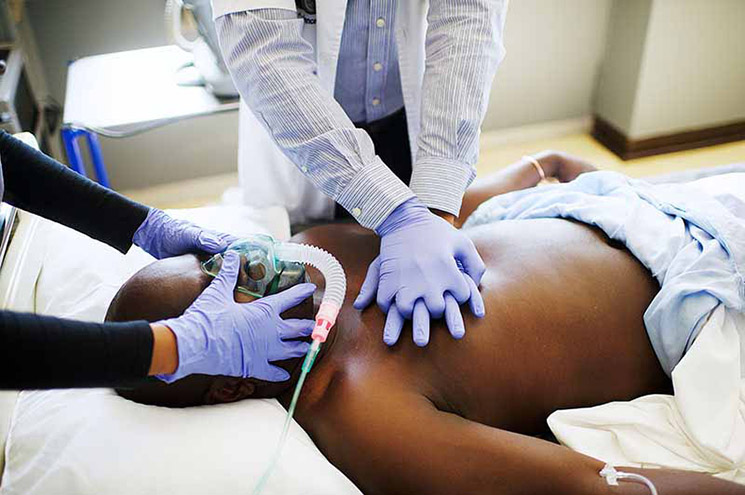
“People start with a viral pneumonia and then you get a bacterial superinfection on top of that,” Dr. Maves said. “Classically influenza, but some other viruses can do this as well.”
Maves said certain bacterial pneumonia like staph and strep pneumonias can move quickly and there isn’t time for treatment if caught late.
“These can be very severe, and they can progress very quickly,” Maves said. “When I think of a young man dying of pneumonia after a preceding period of illness, that is the thing I think about a lot.”
Maves doesn’t want people to panic. He said a 41-year-old man dying from pneumonia-related sepsis is extremely rare.
“Your risk of death from pneumonia at 41 is very, very, very low,” Maves said. “But I bet you have a grandparent. Part of the prevention is not just for ourselves but for the vulnerable people around us.”